
Laurent Gbagbo's net worth is most honestly described as unknown and contested, with credible estimates ranging somewhere between a few million dollars and the low tens of millions. There is no verified, publicly disclosed figure. The viral number you may have seen online, a claim that the Gbagbo couple held CHF 6.5 billion in Swiss accounts, is almost certainly a badly sourced blog figure that has been copy-pasted across the internet without any asset documentation to back it up. What we do know is that Gbagbo spent over a decade as president of one of West Africa's wealthier economies, that multiple governments and international bodies froze assets tied to him, and that he was acquitted by the ICC in 2021 and returned to Côte d'Ivoire. None of those facts, on their own, tells you how much he is worth today.
Laurent Gbagbo Net Worth: Estimates, Evidence, and Limits Today

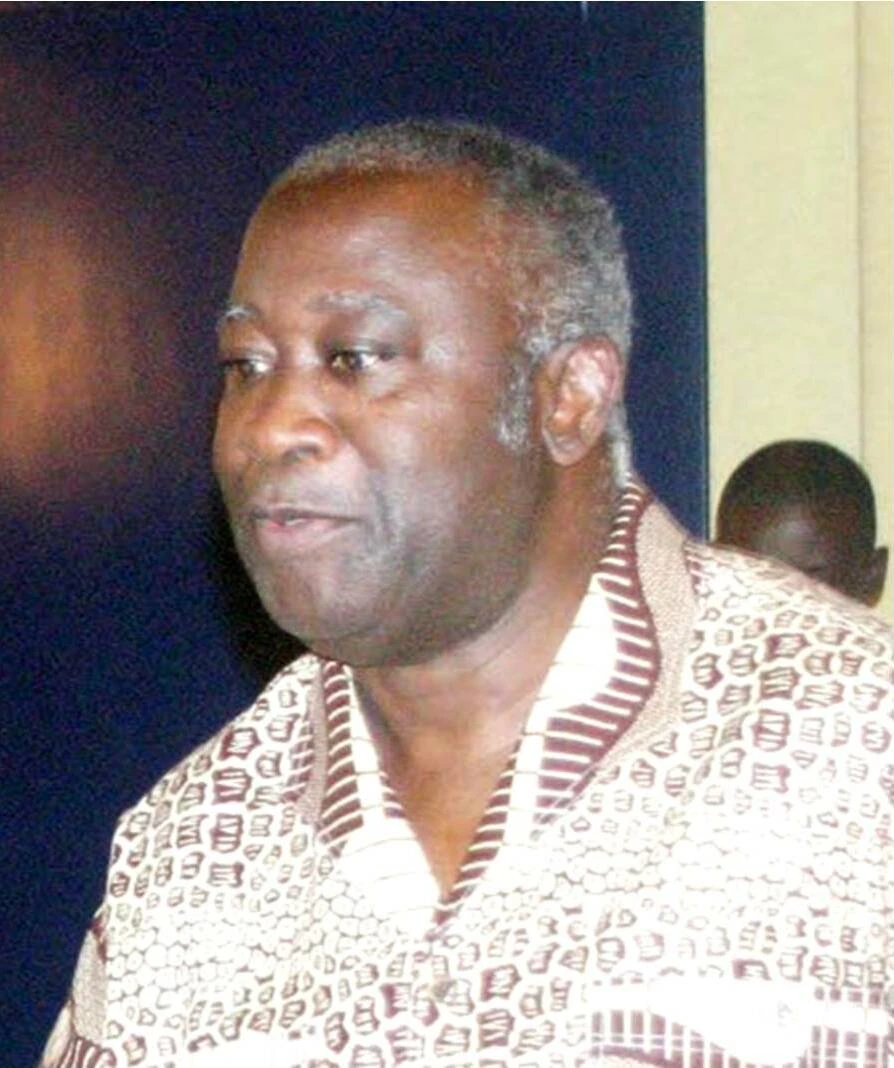
Who Laurent Gbagbo is and why people search his wealth

Laurent Gbagbo was born in 1945 and spent his early career as a history teacher and union activist before founding the Ivorian Popular Front (FPI) and becoming one of the most significant political figures in Côte d'Ivoire's modern history. He served as president from 2000 until his arrest in April 2011, a tenure that included a sustained civil conflict beginning in 2002 and a disputed 2010 election that plunged the country into a full political crisis.
The wealth searches spike for a few reasons. First, he governed a country whose economy is anchored in cocoa, oil, and banking, giving a sitting president considerable proximity to large financial flows. Second, multiple international sanctions regimes, including UN, US, EU, and Swiss freezes, explicitly targeted his assets, which signals that governments believed he had material wealth worth blocking. Third, his ICC trial, acquittal in 2021, and return to Ivory Coast in June of that year all refreshed public interest. When someone survives a high-profile criminal process and walks free, people naturally wonder what they are worth. If you are searching for Haitian celebrity net worth, the same idea applies: look for verifiable sources rather than viral totals what they are worth.
What net worth claims about Gbagbo usually include
Most online estimates for Gbagbo bundle together a few categories, some plausible and some completely unsubstantiated. Here is what those claims typically cover and what the evidence actually supports:
| Category | What's Claimed | What Evidence Supports |
|---|---|---|
| Swiss bank accounts | CHF 6.5 billion held jointly with Simone Gbagbo | Switzerland froze 'any assets held by Laurent Gbagbo' in Jan 2011, but no official figure for the amount was ever published |
| Presidential income/state access | Salary and benefits from a decade-plus presidency | Plausible but modest; Ivorian presidential salaries are not large by global standards |
| Cocoa/port-linked business interests | Indirect stakes via political allies in cocoa exports and ports | EU froze assets tied to key cocoa-export ports in Jan 2011, suggesting associate-level links, not direct personal ownership on record |
| Real estate and personal assets | Properties in Côte d'Ivoire and Europe | Not publicly documented; no deed or registry records have been reported in credible outlets |
| Cash or liquid holdings abroad | Funds in Belgian, French, or Swiss accounts | Sanctions suggest foreign holdings existed; no disclosed amounts |
| Business partnerships | Ties to banking or oil sector firms | The EU froze assets of Côte d'Ivoire's state oil firm and three banks during the crisis, but these are institutional, not personal Gbagbo assets |
The honest summary: there is evidence that Gbagbo had foreign-held assets worth freezing, but no credible public record of what those assets were or what they were worth. Everything beyond that is inference or fabrication.
How to estimate net worth when financial disclosures don't exist

When you are dealing with a political figure from a country with no mandatory public asset disclosure, you need to triangulate from indirect signals rather than wait for a number that will never arrive. Here is the practical method:
- Check sanctions lists for asset descriptions: The US Treasury (OFAC), the EU Official Journal, the UN Security Council sanctions list, and the UK's consolidated asset freeze list (GOV.UK) sometimes include descriptions of frozen assets. They rarely give dollar amounts, but they can tell you what types of assets were targeted.
- Search court filings: ICC documents related to Gbagbo's case are publicly available. They focus on criminal charges rather than finances, but defense filings occasionally reference asset-related arguments.
- Look at asset freeze press releases: Switzerland's 2011 announcement explicitly ordered the freezing of 'any assets held by Laurent Gbagbo in Switzerland' and linked it to EU action. That tells you Switzerland believed assets were there, but the amount was never disclosed.
- Cross-reference business registries: In France, Belgium, or Côte d'Ivoire, company registries can sometimes reveal directorships or shareholdings linked to a named individual or close associates.
- Factor in the political salary baseline: A long-serving West African head of state earns a modest official salary. Over a decade that might total a few hundred thousand dollars, not millions.
- Apply a plausibility test: If a single number is repeated across dozens of sites with no primary source, treat it as unverified until you find the original document.
The key discipline here is separating what a person controlled (state resources, institutional budgets, patronage networks) from what they personally owned. Political power creates access to large sums without those sums being legally attributable to personal wealth.
Timeline of wealth-relevant events
Gbagbo's financial situation has shifted significantly across different phases of his life. Each phase changes what he could plausibly hold and access.
| Period | Key Event | Wealth Implication |
|---|---|---|
| Pre-2000 | Opposition politician, history teacher, union organizer, FPI founder | Minimal personal wealth; likely dependent on party funding and diaspora support |
| 2000–2010 | President of Côte d'Ivoire | Access to state resources, political patronage, and potential undisclosed accumulation; official salary modest |
| 2002–2007 | Civil conflict splits country | War economy dynamics, informal resource flows, and reduced institutional oversight increase opacity of personal finances |
| Nov 2010 – Apr 2011 | Disputed election, international isolation | UN Resolution 1975 (March 2011) imposes travel ban and asset freeze; EU and US also designate Gbagbo and associates; Switzerland freezes Swiss-held assets in January 2011 |
| Apr 2011 | Arrested and transferred to ICC | Complete loss of access to any frozen or monitored assets; no income source documented |
| 2011–2019 | ICC detention and trial | Assets remain frozen under international sanctions; Simone Gbagbo also sanctioned; couple's assets treated partly jointly |
| Jan 2019 | ICC Trial Chamber acquits Gbagbo | Some conditions on release begin to ease; legal status changes but sanctions frameworks do not automatically lift |
| 31 Mar 2021 | ICC Appeals Chamber upholds acquittal, removes release conditions | Legally free; some sanctions may have been revisited, but designation status on individual sanctions lists requires separate delisting process |
| 16 Jun 2021 | Returns to Côte d'Ivoire | Physically present in home country; access to domestic assets potentially restored depending on local legal status |
| Post-2021 to present (Jun 2026) | Active in Ivorian politics; Simone Gbagbo running for president (reported Oct 2025); couple separated/divorced | Gbagbo's and Simone's finances now legally separate; international sanctions status on key lists (UK, EU, US) needs case-by-case verification |
Sanctions, imprisonment, and what they actually do to a net worth figure

When governments freeze assets, they do not destroy them. They block access. That distinction matters enormously for net worth calculations. If Gbagbo had, say, $10 million sitting in a Swiss account and Switzerland froze it in January 2011, that money still exists on paper, but he cannot spend it, move it, or use it as collateral. For practical purposes, frozen assets are worth zero to the person whose access is blocked.
The US Treasury's OFAC designation (announced in the tg1017 press release) prohibited US persons from any transactions with Gbagbo and froze any US-jurisdiction assets. The EU simultaneously extended travel bans and asset freezes. Bloomberg reported that the EU froze Laurent Gbagbo’s assets and extended travel bans in mid-January 2011 as part of pressure on him to step down extended travel bans and asset freezes. The UN Security Council's Resolution 1975, passed in March 2011, added targeted measures including an asset freeze at the multilateral level, covering Gbagbo, his then-wife Simone, and three close associates. The UK's 2015 financial sanctions notice confirmed Gbagbo (Group ID: 11301) was still listed as an asset-freeze subject at that point.
An ICC acquittal does not automatically remove someone from an OFAC list or an EU sanctions schedule. The same challenge applies when people search for Jovenel Moïse net worth, because credible figures are often missing or contested. Delisting requires a separate administrative or legal process. If Gbagbo was never formally delisted from all the sanctions regimes that designated him, portions of his foreign assets may still be technically frozen as of today, even though he is legally free. That is a gap worth checking on the current GOV.blank" rel="noopener noreferrer">UK consolidated list, the EU Official Journal, and the OFAC Specially Designated Nationals list.
How to spot bad net worth estimates: a verification checklist
The CHF 6.5 billion figure is a useful case study. KOACI reported this number and noted the confusion between blog content and actual press reporting. That is the pattern to watch for. Here are the red flags that should make you distrust any specific net worth figure for Gbagbo or any similarly situated political figure:
- The number appears on celebrity net worth aggregator sites with no linked source document
- The figure is suspiciously round or enormous relative to what is known about the person's income sources
- Multiple sites cite each other rather than citing a primary document (court filing, government press release, or verified investigative report)
- There is no breakdown of which assets make up the total
- The estimate has not changed across years despite major legal or political developments that would logically affect it
- The number conflates personal wealth with state resources the person controlled while in office
- Claims about spouse-linked assets are treated as the same as personal assets without clarification
- No distinction is made between frozen/inaccessible assets and liquid personal wealth
If a source passes none of these tests, treat the number as noise. The CHF 6.5 billion figure fails almost all of them. For context, CHF 6.5 billion would make Gbagbo wealthier than most European billionaires, which is implausible for a president of a country with Côte d'Ivoire's GDP and institutional constraints at the time.
Where his money could realistically come from
Gbagbo's most plausible sources of personal wealth are presidential compensation (modest), political network support, and potential undisclosed accumulation during his presidency through associate-linked business arrangements. His early career as a teacher and union organizer would not have produced significant savings.
The more credible wealth question is about his network rather than his personal balance sheet. The EU froze assets tied to Côte d'Ivoire's main cocoa-exporting ports, the state oil firm, and three banks in January 2011. These were institutional assets linked to Gbagbo supporters and the machinery of a government that refused to concede power, not a personal investment portfolio. When governments sanction a political leader, they typically also freeze associate-linked assets precisely because the personal line is hard to trace.
His second wife, Nadiany Bamba, was separately sanctioned, and the EU Court of Justice upheld asset freezes related to her in November 2012 (Case C-417/11). Simone Gbagbo, his first wife, was also sanctioned. Given that Gbagbo and Simone are now reportedly separated or divorced, any net worth assessment today should explicitly separate his assets from hers rather than aggregating them as some earlier estimates did. Simone Gbagbo has her own political profile and was reportedly considering a presidential run as of October 2025, making her a distinct figure with separate financial circumstances.
Post-return (from June 2021 onward), Gbagbo has been active in Ivorian politics. Party leadership roles in West Africa are rarely salaried at high levels, but they come with informal financial support from backers and diaspora networks. That is a plausible ongoing income stream, though again, it is not documented publicly.
The most realistic range today, and how to keep it updated
As of June 2026, the most defensible evidence-based range for Laurent Gbagbo's personal net worth is approximately $5 million to $50 million. That range is wide because the uncertainty is genuine, not because the answer is being hedged for diplomatic reasons. The lower bound reflects a realistic accumulation from a decade-plus political career with informal income streams and some foreign assets that survived or were delisted from sanctions. The upper bound reflects the possibility that associate-linked wealth was sheltered in ways not captured by public sanctions documents, and that some portion of frozen assets has since been unfrozen following his acquittal and return.
The CHF 6.5 billion figure (roughly $7 billion at current rates) has no credible evidentiary basis and should be ignored. That same pattern is why many people also search for the French president net worth, but reliable figures are often just as hard to verify. Anything in the hundreds of millions is also hard to support without primary documentation. The real number is probably in the tens of millions at most, concentrated in whatever was not successfully frozen or was subsequently released.
To update this estimate over time, here are the specific sources worth monitoring:
- The OFAC Specially Designated Nationals list: search 'Gbagbo' to check whether he has been formally delisted from US sanctions
- The EU Official Journal sanctions annexes: the EU publishes updates when individuals are added or removed from asset-freeze schedules
- The GOV.UK consolidated financial sanctions list: the UK maintains its own list post-Brexit, and any changes will appear there
- ICC public filings: while focused on criminal matters, any restitution or asset-related proceedings would appear in the public case record
- Investigative journalism from outlets covering Francophone Africa: reporters at Reuters, RFI, Jeune Afrique, and Le Monde have covered Ivorian politics closely and are most likely to surface any documented asset disclosures
- Ivorian government or court records: if local legal proceedings involving Gbagbo's property or finances emerge, they would be the most direct evidence available
For comparison, other Francophone political figures whose wealth has been similarly scrutinized, such as Jean-Claude Duvalier or Jean-Bertrand Aristide, face the same structural problem: the most credible evidence comes from sanctions documents and investigative reporting, not from self-disclosed figures or aggregator sites. You can use the same approach to sanity-check estimates of Jean-Claude Duvalier net worth using sanctions and investigative reporting rather than viral numbers. That same challenge appears when people look up Jean-Bertrand Aristide net worth, since reliable figures depend on sanctions and investigative documentation rather than viral claims. The method for evaluating those profiles is essentially identical to what works for Gbagbo. Follow the documents, not the headlines. Because Eric Jean Baptiste Haiti net worth claims are often based on rumors rather than verified financial records, you should apply the same verification logic used for other scrutinized leaders. Estimates for Laurent Saint-Cyr's Haiti net worth tend to suffer from similar problems: there is often no verified public disclosure, and viral numbers online may be unsupported.
FAQ
How can I tell whether a “Laurent Gbagbo net worth” number is based on documents or just internet reposts?
Look for primary details, like the specific jurisdiction, filing or court reference, and whether the amount is tied to an explicitly named asset freeze or court record. If the claim only cites a blog, repeats the same CHF total across multiple low-credibility sites, or provides no asset type, location, or date, treat it as unverified noise.
Do sanctions mean his net worth was zero during the freeze period?
Not exactly. Frozen assets still exist on paper, but for net-worth purposes they can be functionally zero because access is blocked, transactions are prohibited, and collateral use is restricted. A more accurate approach is to value “available” versus “restricted” assets separately.
If he was acquitted by the ICC, why might his assets still be affected today?
Delisting from criminal liability does not automatically remove sanctions designations. Separate administrative or legal processes usually control OFAC, EU, UN, and national lists. Even if he regained political freedom, some foreign assets could remain restricted until a specific delisting or unfreezing step occurs.
Should estimates combine Laurent Gbagbo with Simone or Nadiany Bamba’s wealth?
No. Public figures’ assets must be separated when spouses are independently designated or when sanctions and legal ownership are not joint. Aggregating family members often inflates totals and muddles what is legally attributable to him versus a spouse.
What is the most common mistake people make when estimating political leaders’ net worth?
They assume the country’s budget equals personal wealth. A president can influence state-controlled funds and patronage flows without being the legal owner. Net worth should be focused on personal control and ownership evidence, not proximity to government spending.
Why is the CHF 6.5 billion claim especially implausible, and what should I check instead?
That figure is implausible because it would imply billionaire-level wealth inconsistent with the documented constraints and the lack of asset documentation. Instead, check whether any sanctions records name specific asset holders, institutions, or asset categories and whether later delisting or unfreezing is documented.
Can I approximate his net worth by looking at where sanctions were targeted (ports, oil firm, banks)?
Only partially. Those targets often reflect associate-linked or institutional assets tied to power networks, not a personal portfolio. A better method is to treat port and bank freezes as indicators of network wealth, then consider only personal ownership evidence as direct net-worth input.
What would a defensible “current” estimate require, given there is no public wealth disclosure?
A defensible estimate typically needs triangulation: (1) sanctions documents that show what was frozen and by whom, (2) any later delisting or unfreezing records, (3) corroborated investigative reporting about undisclosed assets or associate holdings, and (4) a clear distinction between available wealth and restricted wealth.
What sources should I monitor to update the range for Laurent Gbagbo’s net worth over time?
Monitor the current consolidated sanctions listings for OFAC, the EU’s official sanctions publication, and the UK’s consolidated list, and watch for formal delisting/unfreezing notices with dates. Those administrative updates are often more informative than new viral totals.
Could he have earned substantial income after returning to Côte d’Ivoire in 2021?
Possibly, but it is usually not documented in a way that supports precise valuation. Party leadership can come with informal backing and diaspora support, but without transparent records it is better treated as a plausible but unverified income stream rather than a quantifiable net-worth jump.
How should I treat “hundreds of millions” estimates that circulate online?
Treat them as unverified unless they are tied to specific asset disclosures, court findings, or credible investigative documentation. In this context, the absence of primary evidence is a strong reason to keep estimates within a narrow, evidence-informed range rather than accept dramatic expansions.